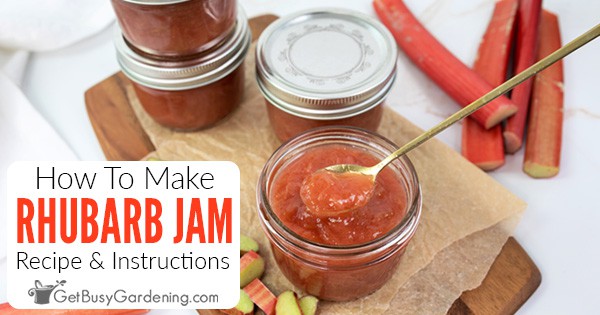
Mastering the Art of Rhubarb Jam: A Comprehensive Guide to Making it With & Without Pectin
Rhubarb. Just the name evokes images of spring gardens, vibrant crimson stalks, and that distinct, wonderfully tart flavor. For many home cooks and gardeners, making rhubarb jam is a cherished tradition, offering a fantastic way to preserve this seasonal bounty and enjoy its unique taste long after the growing season has passed. Whether your garden patch is overflowing, or you've found a great deal at your local market, learning
how to make rhubarb jam is a rewarding culinary adventure that's easier than you might think.
This guide will walk you through the process, comparing two popular methods: making rhubarb jam with added pectin for a firmer set, and without for a more natural, looser consistency. Both approaches yield incredibly delicious results, allowing you to choose the perfect texture for your preference.
Why Homemade Rhubarb Jam is a Must-Try
Beyond the sheer delight of a homemade preserve, there are several compelling reasons to embrace rhubarb jam making:
*
Preservation Power: Rhubarb has a relatively short season. Turning it into jam allows you to capture its fresh flavor and enjoy it throughout the year, long after the last stalks have been harvested. It’s an ideal solution for utilizing an excess harvest, ensuring none of your precious produce goes to waste.
*
Unforgettable Flavor: Rhubarb's signature tartness, when combined with sugar, creates an intense burst of flavor that is truly unique. It’s a sophisticated balance of sweet and tangy, making it incredibly versatile on everything from toast to cheese boards.
*
Simplicity and Satisfaction: Despite common misconceptions, making your own jam is surprisingly straightforward. With just a few simple ingredients and common kitchen tools, you can transform fresh rhubarb into a gourmet treat. The satisfaction of a shelf full of sparkling, homemade jam jars is immense.
*
Versatility in the Kitchen: Rhubarb jam isn't just for breakfast. It can elevate desserts, glazes for meats, or even be swirled into yogurt. Its vibrant flavor profile makes it a fantastic culinary asset.
We've been harvesting from our family's decades-old rhubarb patch, yielding large, tender stalks absolutely brimming with flavor. It’s a testament to how well this wonderful spring crop adapts to preservation.
Understanding Pectin: Your Jam's Setting Agent
Pectin is a naturally occurring soluble fiber found in fruits, and it's what gives jams and jellies their characteristic gelled consistency. Rhubarb, while delightfully flavorful, contains only a small amount of natural pectin. This means that while you *can* make a beautiful jam with just rhubarb and sugar, adding extra pectin can help achieve a firmer, more traditional jam set.
*
Natural Pectin in Rhubarb: Rhubarb does possess some natural pectin, particularly when slightly under-ripe. When cooked with sugar and acid, this natural pectin helps the jam thicken. However, the exact amount can vary, leading to a looser, more spoonable jam if no additional pectin is used.
*
The Role of Acid: Acid (like that found in lemon juice) plays a crucial role in activating pectin and helping it set. Even if you're not adding commercial pectin, a squeeze of lemon juice can boost the setting power of rhubarb's natural pectin and brighten its flavor.
*
Types of Added Pectin:
*
Commercial Pectin: Available in powdered or liquid forms, commercial pectin is a popular choice for guaranteeing a firm set, especially with fruits that are low in natural pectin. It allows for shorter cooking times and often results in larger yields.
*
Natural Pectin Enhancers (e.g., Lemon Juice): As mentioned, lemon juice (fresh or bottled) not only adds a delicious citrus note but also provides additional acid and citrus pectin, aiding in the gelling process. Bottled lemon juice is often preferred in canning recipes due to its consistent acidity.
The choice of whether to add pectin largely depends on your desired jam consistency. If you prefer a spread that’s more spoonable and syrupy, skipping the added pectin is perfectly fine. If a firm, sliceable jam is your goal, then adding pectin (either commercially or via lemon juice) is the way to go. For an even simpler approach to preserving your harvest, check out our
Easy Rhubarb Jam Recipe: Preserve Your Spring Harvest.
The Essential First Step: Maceration for Flavor and Juice Extraction
Before you even think about cooking your jam, there's a vital step that unlocks rhubarb's full potential: maceration. This process involves combining the chopped rhubarb with sugar and letting it sit for an extended period.
*
What is Maceration? Similar to how strawberries are prepared for shortcake, maceration involves drawing out the natural juices from the fruit using sugar. The sugar acts osmotically, pulling moisture from the fruit cells.
*
Why Macerate Rhubarb?
*
Juice Extraction: This process creates a significant amount of liquid, which is essential for jam making. Without it, you'd need to add water, diluting the rhubarb flavor.
*
Flavor Development: Allowing the rhubarb to sit in sugar helps to soften the stalks and intensify their flavor, creating a more robust jam.
*
Reduced Cooking Time: Because much of the liquid is already extracted, the cooking time needed to reach a jam consistency can be reduced.
*
How to Macerate: Simply combine your chopped rhubarb and sugar in a large, non-reactive bowl. Stir well to ensure all the rhubarb is coated. Cover the bowl and let it sit at room temperature for at least 6-12 hours, or even up to 24 hours. You'll be amazed at how much liquid gathers at the bottom.
How to Make Rhubarb Jam: Two Delicious Methods
We'll explore two distinct methods for making this delightful preserve. For our comparison, we used 6 cups of chopped rhubarb for each batch.
1. Making Rhubarb Jam Without Added Pectin
This method celebrates the natural flavor and texture of rhubarb, yielding a jam that is often described as more rustic, with a looser set that is perfect for spooning over desserts or spreading generously on toast.
Ingredients:
* 6 cups chopped rhubarb (approximately 2 lbs)
* 1 cup granulated sugar (adjust to taste, 1-2 cups is common)
* (Optional) 1-2 tablespoons fresh lemon juice (to enhance natural pectin and brightness)
Equipment:
* Large, heavy-bottomed pot or Dutch oven
* Sterilized jam jars with lids and bands
* Long-handled spoon or spatula
* Canning funnel (optional but helpful)
* Ladle
Instructions:
1.
Macerate the Rhubarb: In your large pot, combine the chopped rhubarb and sugar. Stir thoroughly. Cover and let sit at room temperature for 6-12 hours (or up to 24 hours), stirring occasionally, until a significant amount of liquid has collected. If using lemon juice, add it now.
2.
Begin Cooking: Place the pot over medium-high heat. Bring the mixture to a rolling boil, stirring frequently to prevent sticking.
3.
Simmer and Thicken: Reduce the heat to medium-low and continue to simmer, stirring often, for 20-40 minutes. The time will vary depending on the ripeness of your rhubarb and how much liquid was extracted during maceration. The jam is ready when it thickens and coats the back of a spoon, and the rhubarb pieces have broken down.
4.
Test for Set: To check for doneness, place a small plate in the freezer before you start cooking. When you think the jam is ready, spoon a small amount onto the cold plate. Return to the freezer for 1-2 minutes. Push the jam with your finger; if it wrinkles, it's ready. If not, continue cooking and test again in 5-10 minute intervals.
5.
Jar the Jam: Carefully ladle the hot jam into sterilized jars, leaving about ¼ inch headspace. Wipe the rims clean, center the lids, and screw on the bands until fingertip-tight.
6.
Process (for shelf stability): For long-term storage, process jars in a boiling water canner for 10 minutes (adjusting for altitude). Alternatively, refrigerate after cooling for immediate use and consume within a few weeks.
2. Making Rhubarb Jam With Added Pectin (Using Lemon Juice for Natural Pectin Boost)
For a firmer, more traditional gelled consistency, adding pectin is the way to go. We'll focus on using lemon juice as a natural pectin enhancer, which often provides a beautiful set without commercial additives.
Ingredients:
* 6 cups chopped rhubarb (approximately 2 lbs)
* 2 cups granulated sugar (the higher sugar content helps activate pectin)
* ¼ cup fresh lemon juice (or bottled for consistent acidity)
Equipment:
* Same as above.
Instructions:
1.
Macerate the Rhubarb: Combine chopped rhubarb and sugar in your large pot. Stir well. Cover and let sit at room temperature for 6-12 hours (or up to 24 hours).
2.
Add Lemon Juice and Cook: Add the lemon juice to the macerated rhubarb. Place the pot over medium-high heat and bring to a rolling boil, stirring constantly.
3.
Rapid Boil: Once boiling rapidly, continue to cook, stirring frequently, for 10-20 minutes. The additional sugar and lemon juice will help the jam thicken faster than the no-pectin method.
4.
Test for Set: Use the frozen plate test (as described above). The jam should wrinkle readily.
5.
Jar and Process: Ladle the hot jam into sterilized jars, leaving ¼ inch headspace. Wipe rims, apply lids and bands. Process in a boiling water canner for 10 minutes for shelf stability, or refrigerate if consuming soon.
For a quick and delicious take on this method, explore our
Homemade Rhubarb Jam: Quick & Simple Tangy-Sweet Delight. If using commercial pectin, always follow the package instructions as timings and sugar amounts can vary significantly. Generally, powdered pectin is added at the beginning with the fruit, while liquid pectin is added towards the end of the cooking process.
Essential Tips for Perfect Rhubarb Jam Every Time
*
Choose Your Rhubarb Wisely: Select firm, crisp stalks. While color can vary, brighter red stalks often indicate better flavor and appearance. Avoid limp or damaged rhubarb.
*
Sterilize Your Jars: This is crucial for food safety and shelf stability. You can sterilize jars in a dishwasher on a hot cycle, in a boiling water bath, or in the oven. Ensure lids are new and free from damage.
*
Don't Skimp on Sugar (Within Reason): Sugar isn't just for sweetness; it plays a vital role in the jam's texture, preservation, and even color. While you can adjust slightly, too little sugar can prevent the jam from setting and reduce its shelf life.
*
Invest in a Good Pot: A large, heavy-bottomed pot prevents scorching and allows for even cooking and vigorous boiling without overflowing.
*
Be Patient with the Set: Jam continues to set as it cools. Don't be discouraged if it seems a bit runny straight off the stove. The fridge test is the most accurate indicator.
*
Safety First: When canning, always follow tested recipes and safety guidelines from reputable sources to ensure your jams are safe for long-term storage.
Conclusion
Making your own rhubarb jam is a rewarding experience that connects you to the seasons and fills your pantry with delicious, homemade goodness. Whether you prefer the rustic charm of a jam made without added pectin or the firm set achieved with a little help from lemon juice or commercial pectin, the process is straightforward and immensely satisfying. So, gather your vibrant rhubarb stalks, fire up your stove, and get ready to enjoy the tangy-sweet delight of homemade rhubarb jam all year long. It’s a taste of spring, preserved perfectly for any season.