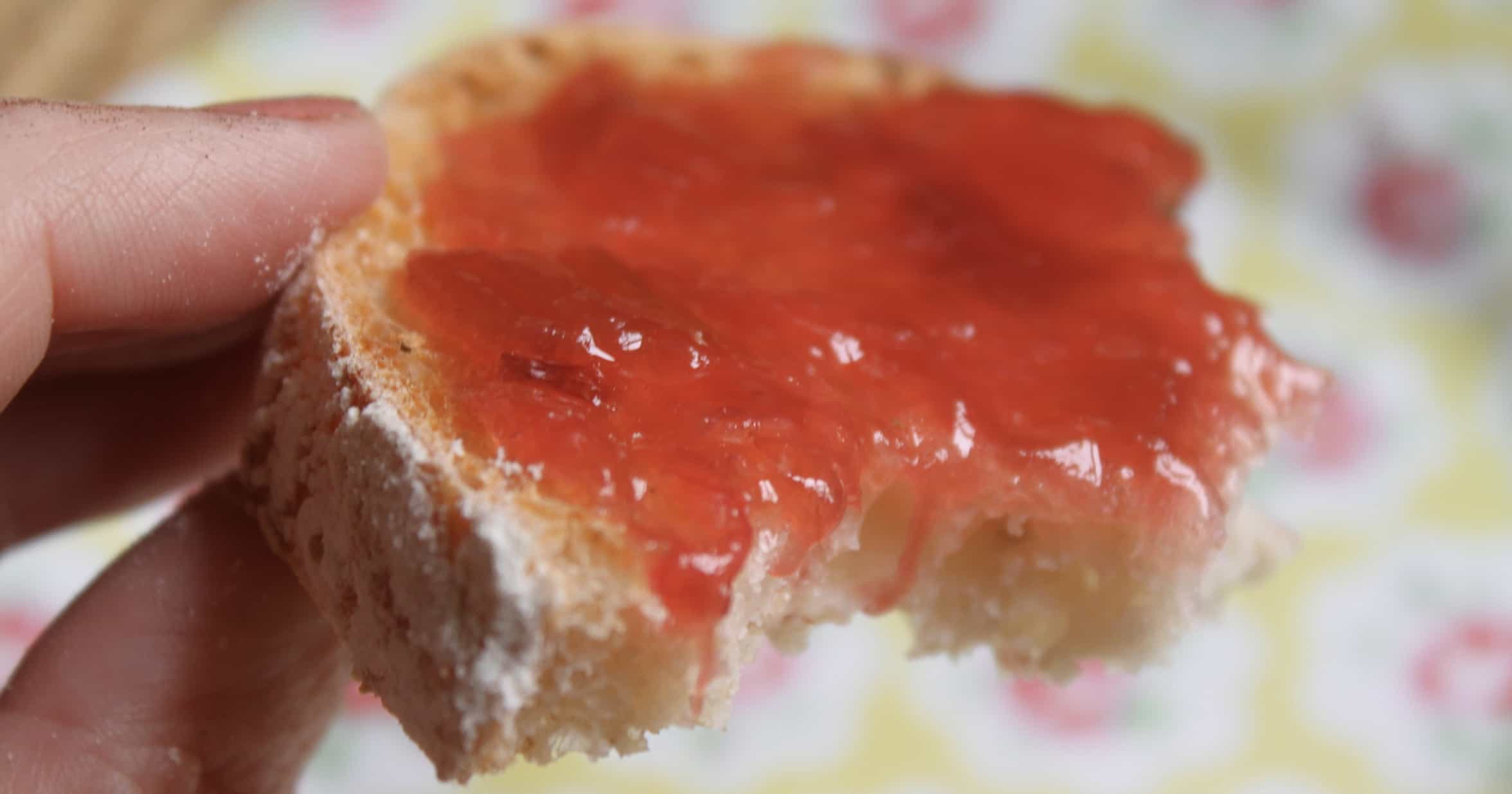
Easy Rhubarb Jam Recipe: Preserve Your Spring Harvest
As spring unfurls its vibrant tapestry, gardeners and market-goers alike eagerly anticipate the arrival of one of the season's most beloved and unique crops: rhubarb. Its distinctive tartness, vibrant color, and versatility make it a culinary delight. But what to do with an abundant harvest? Learning how to make rhubarb jam is not only a fantastic way to capture the essence of spring but also a surprisingly simple and rewarding project that allows you to enjoy its intense flavor all year long.
There's nothing quite like the taste of homemade jam, and rhubarb, with its beautifully balanced tang, makes for an exceptional preserve. Forget bland, overly sweet concoctions; this recipe delivers a bright, perfectly sweet-tart spread that will awaken your taste buds. Whether slathered on toast, swirled into yogurt, or paired with cheeses, your homemade rhubarb jam will quickly become a pantry staple.
Why Make Your Own Rhubarb Jam? Unlocking Seasonal Flavor
Rhubarb is one of the first vegetables (yes, botanically a vegetable!) to emerge from the dormant garden after winter. Its arrival signals the beginning of fresh produce, and its unique flavor profile makes it a standout. That characteristic tartness, which can be intense on its own, transforms into an exquisite burst of flavor when combined with sugar. This delicate dance between tangy and sweet is precisely what makes rhubarb jam so captivating.
Making your own jam allows you to:
- Preserve the Harvest: It's an ideal method for utilizing an abundance of this wonderful spring vegetable, extending its enjoyment far beyond its short growing season.
- Control Ingredients: You dictate the amount of sugar, the choice of pectin (or lack thereof), and any additional flavorings, ensuring a jam tailored to your preferences.
- Savor Seasonal Goodness: Imagine opening a jar of vibrant rhubarb jam in the depths of winter, instantly transporting you back to sun-drenched spring mornings.
- Enjoy Superior Flavor: Homemade jam often surpasses store-bought varieties in freshness, intensity, and overall taste.
From the tender stalks of a newly planted patch to the robust, flavorful stems of a decades-old family heirloom, rhubarb consistently delivers. This recipe empowers you to transform that raw, tart beauty into a truly magnificent preserve with minimal fuss.
Understanding Pectin: To Add or Not to Add?
One of the most common questions when venturing into jam-making is about pectin. Pectin is a natural gelling agent found in fruits that helps jams and jellies set. Interestingly, rhubarb contains a small amount of its own pectin. This means you have flexibility when deciding on your jam's texture.
You essentially have two main approaches:
- Jam without Added Pectin: If you prefer a softer, more spreadable consistency – almost like a fruit sauce – you can easily make rhubarb jam with just rhubarb and sugar alone. The natural pectin in the rhubarb, combined with careful cooking, will still create a delightful, spoonable preserve. This often results in a jam with a more intense, pure rhubarb flavor.
- Jam with Added Pectin: For a firmer, more traditional gelled consistency that holds its shape, you might choose to add extra pectin. This can be done in a few ways:
- Commercial Pectin: Available in powdered or liquid forms, commercial pectin guarantees a reliable set and often allows for less sugar to be used. Follow the specific instructions on the pectin packet.
- Natural Pectin (Lemon Juice): A common and wonderful way to add natural pectin is through the addition of lemon juice. Lemons are rich in citrus pectin, and their acidity also brightens the flavor of the rhubarb, making that tartness truly sing. Freshly squeezed lemon juice is excellent, though bottled lemon juice is often preferred by experienced canners due to its guaranteed, consistent acidity, which is crucial for proper gelling and safe preservation.
In our experience, a touch of lemon juice offers the best of both worlds: a gentle assist in gelling while enhancing the rhubarb's natural brightness. For a more in-depth exploration of making rhubarb jam with and without commercial pectin, you might find our detailed guide helpful: How to Make Rhubarb Jam: With & Without Pectin Guide.
The Essential Ingredients and Tools for Perfect Jam
One of the beauties of making rhubarb jam is its simplicity. You'll need just a few key ingredients and common kitchen tools to get started.
Ingredients:
- Fresh Rhubarb: Approximately 6 cups of chopped rhubarb (about 2-2.5 lbs or 1 kg). Look for firm, vibrant stalks. You don't need to peel it; the skin softens during cooking and adds to the color.
- Granulated Sugar: A good starting point is 1 to 2 cups of sugar per 6 cups of chopped rhubarb. The exact amount can be adjusted based on your rhubarb's tartness and your personal sweetness preference. Using 1 cup for a jam without added pectin and 2 cups for a jam with added lemon juice or commercial pectin is a good guideline to balance tartness and set.
- Lemon Juice (Optional, but Recommended): 1-2 tablespoons. Fresh or bottled (for consistent acidity). This brightens the flavor and aids in gelling.
- Commercial Pectin (Optional): If you desire a very firm set, follow package directions for your chosen pectin type.
Tools:
- Large, Heavy-Bottomed Pot: Essential for even cooking and preventing scorching. Non-reactive material like stainless steel or enamel is best.
- Long-Handled Spoon or Spatula: For stirring.
- Measuring Cups and Spoons: For accuracy.
- Canning Jars with Lids and Bands: Sterilized and ready. Pint or half-pint jars are ideal.
- Canning Funnel: Helps prevent spills when filling jars.
- Ladle: For transferring hot jam to jars.
- Jar Lifter: For safely handling hot jars.
- Clean Damp Cloth: For wiping jar rims.
- Small Plate (Chilled): For testing the jam's set.
- Water Bath Canner (Optional, for long-term storage): If you plan to preserve the jam for extended periods, a water bath canner is necessary for safe processing.
Step-by-Step: The Easy Rhubarb Jam Process
Making homemade rhubarb jam is a wonderfully tactile experience. Follow these steps for a delicious result:
- Prepare Your Rhubarb:
- Wash the rhubarb stalks thoroughly.
- Trim off any tough ends or leaves (rhubarb leaves are toxic and should not be consumed).
- Chop the rhubarb into ½-inch to 1-inch pieces. No need to peel! Aim for about 6 cups of chopped rhubarb.
- Maceration (The Flavor Secret):
- In your large, heavy-bottomed pot, combine the chopped rhubarb and the sugar.
- Stir gently to coat all the rhubarb pieces with sugar.
- Cover the pot and let it sit at room temperature for at least 12 hours, or even up to 24 hours (overnight is perfect). This crucial "maceration" process draws out the rhubarb's natural juices, creating a beautiful syrup and intensifying the flavor. You'll wake up to a pot full of juicy rhubarb!
- Cook the Jam:
- Place the pot with the macerated rhubarb over medium-high heat.
- If using, add the lemon juice now. If using commercial pectin, add it according to package directions (some pectins are added at the beginning, others near the end).
- Bring the mixture to a rolling boil, stirring frequently to prevent scorching, especially at the bottom of the pot.
- Once boiling, reduce the heat to medium-low and continue to simmer, stirring often. The rhubarb will break down and soften. This cooking time can vary, typically 15-30 minutes, depending on the desired consistency and if you're using pectin.
- The jam is ready when it thickens and coats the back of a spoon.
- Test for Set:
- Before you begin cooking, place a small ceramic plate in your freezer.
- When you think the jam is ready, remove it from the heat. Spoon a small amount (about a teaspoon) onto the chilled plate.
- Return the plate to the freezer for 1-2 minutes.
- Remove the plate and gently push the edge of the jam with your finger. If it wrinkles, it's ready! If it's still very liquid, continue cooking for another 5-10 minutes and re-test.
- Jar and Preserve:
- While the jam is cooking, sterilize your canning jars and lids according to standard canning practices (e.g., boiling in water, running through a dishwasher's sanitize cycle).
- Carefully ladle the hot jam into the sterilized jars, leaving about ¼ inch of headspace from the rim.
- Wipe the rims clean with a damp cloth to ensure a good seal.
- Place the lids and bands on the jars, tightening to fingertip-tight.
- For long-term, shelf-stable storage, process the jars in a boiling water bath canner for 10 minutes (adjusting for altitude if necessary). Follow specific canning instructions carefully to ensure food safety.
- Carefully remove the jars from the canner and place them on a towel-lined surface to cool completely. You'll hear the satisfying "pop" as the jars seal. Check seals after 24 hours.
Tips for Perfect Rhubarb Jam Every Time
- Don't Rush Maceration: This step is critical for drawing out juices and intensifying flavor. Give it the full 12-24 hours.
- Adjust Sweetness: Rhubarb's tartness can vary. Taste your jam during cooking (carefully!) and adjust sugar if needed, though remember it will taste less sweet once cooled.
- Flavor Variations: Experiment with additions! A vanilla bean simmered with the jam, a touch of grated fresh ginger, or the zest of an orange can add delightful layers of flavor.
- Sterilization is Key: Always ensure your jars and lids are properly sterilized to prevent spoilage and ensure a safe, shelf-stable product.
- Storage: Unprocessed jam should be stored in the refrigerator and consumed within a few weeks. Properly water-bath canned and sealed jars can be stored in a cool, dark pantry for up to a year.
For more quick, simple, and tangy-sweet delight ideas for your rhubarb, you can explore our recipe for Homemade Rhubarb Jam: Quick & Simple Tangy-Sweet Delight.
Making your own rhubarb jam is a truly gratifying culinary adventure. From the vibrant color to the irresistible tangy-sweet flavor, every spoonful is a testament to the bounty of spring and the satisfaction of homemade goodness. So, grab those beautiful rhubarb stalks, embrace the simple process, and get ready to enjoy this delightful preserve all year long.
