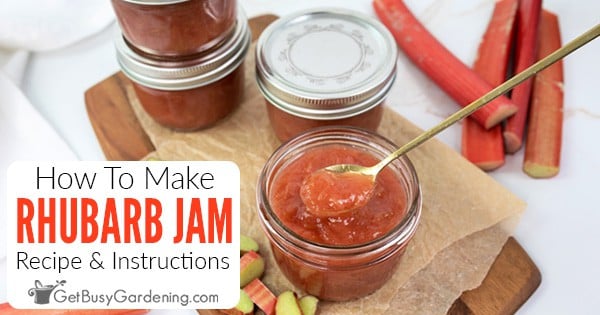
Homemade Rhubarb Jam: Quick & Simple Tangy-Sweet Delight
Few culinary endeavors offer the satisfaction of creating something truly delicious from scratch, especially when it involves preserving the bounty of the season. Homemade rhubarb jam stands out as a prime example, delivering an exquisite balance of tangy and sweet flavors that perfectly capture the essence of spring. If you've ever wondered
how to make rhubarb jam, you're in for a treat. This article will guide you through a quick and simple process, ensuring you can enjoy this vibrant spread all year long.
Rhubarb, often mistaken for a fruit due to its culinary applications, is botanically a vegetable. Its striking crimson stalks boast a wonderfully tart profile, which, when combined with sugar, transforms into an intensely flavorful delight. This makes it an ideal candidate for jams and preserves, offering a refreshing departure from more common fruit jams. Whether you're a seasoned gardener with an abundant rhubarb patch or simply found a great deal at your local market, learning
how to make rhubarb jam is an invaluable skill for any home cook looking to harness seasonal flavors.
Why Embrace Homemade Rhubarb Jam?
Making your own rhubarb jam is more than just a kitchen project; it’s an act of preserving a fleeting season and a celebration of pure, unadulterated flavor. Here’s why it’s an absolute must-try:
*
Unbeatable Freshness and Flavor: Store-bought jams, while convenient, often can't compete with the vibrant taste of homemade. When you make your own, you control the quality of ingredients, ensuring peak freshness and allowing the natural tang of the rhubarb to truly shine. The unique sweet-tart profile is a burst of sunshine on your palate.
*
Preserving the Harvest: Rhubarb is one of the earliest crops to emerge in spring, making it one of the first opportunities of the season to create preserves. If your garden is flourishing, or you've stumbled upon an excess supply, jam-making is a brilliant solution to prevent waste and extend the pleasure of this seasonal vegetable. You can enjoy that fresh, garden taste even when winter winds blow.
*
Simple Ingredients, Big Reward: You might be surprised at how few ingredients are required to create such a spectacular jam. Typically, you only need rhubarb, sugar, and sometimes a bit of lemon juice. With just a few common kitchen tools, you’ll be on your way to a gourmet spread that tastes far more complex than its ingredient list suggests.
*
Personalized Perfection: Homemade jam offers the freedom to customize. Adjust the sweetness, experiment with additional flavors, or decide whether you prefer a firmer, gelled consistency or a softer, more rustic spread. This flexibility allows you to tailor the jam exactly to your liking.
The Essential Ingredients and Tools
Before diving into the jam-making process, let's gather what you'll need. The beauty of
how to make rhubarb jam lies in its simplicity.
Key Ingredients:
*
Fresh Rhubarb Stalks: Choose firm, crisp stalks that are bright red or greenish-red. Avoid any that are soft or wilting. Remember to trim off the leaves, as they are toxic due to their high oxalic acid content.
*
Granulated Sugar: Sugar acts as both a sweetener and a crucial preservative. The amount of sugar can be adjusted to taste, but it's essential for achieving the right jam consistency and shelf life. A good starting ratio is often around 1 part sugar to 1 part chopped rhubarb by weight or volume, though this can vary.
*
Lemon Juice (Optional, but Recommended): Freshly squeezed lemon juice serves multiple purposes. It brightens the flavor of the jam, enhancing rhubarb's natural tang. Crucially, lemon juice also contains natural pectin (citrus pectin), which helps the jam set. This can be especially useful if you're aiming for a firmer gel without adding commercial pectin. Many jam makers prefer bottled lemon juice for its consistent acidity.
*
Pectin (Optional): While rhubarb contains a small amount of its own pectin, and jam can be easily made with just rhubarb and sugar (especially with the aid of lemon juice), commercial pectin (powdered or liquid) can be added to guarantee a quick, firm set. This is a personal preference. For a deeper dive into this, you might find our guide on
How to Make Rhubarb Jam: With & Without Pectin Guide very helpful.
Basic Kitchen Tools:
*
Large, Heavy-Bottomed Pot: Essential for preventing scorching and allowing even heat distribution. A wide pot also helps with evaporation, leading to a quicker set.
*
Cutting Board and Sharp Knife: For preparing the rhubarb.
*
Measuring Cups and Spoons: For accurate ingredient proportions.
*
Wooden Spoon or Heatproof Spatula: For stirring.
*
Canning Jars with Lids and Bands: Sterilized jars are crucial for safe preservation.
*
Canning Funnel (Optional): Makes filling jars much neater.
*
Ladle: For transferring hot jam to jars.
*
Water Bath Canner (Optional, but Recommended for Shelf-Stable Jam): For proper sealing and long-term storage.
Step-by-Step Guide: How to Make Rhubarb Jam
Mastering
how to make rhubarb jam involves a few key steps, each contributing to the final delicious product. This process focuses on drawing out the rhubarb's natural juices and flavors for a rich, vibrant jam.
1. Prepare the Rhubarb
* Wash the rhubarb stalks thoroughly under cold running water.
* Trim off the very ends and any leaves.
* Chop the rhubarb into small, uniform pieces, about ½ to ¾ inch long. Uniformity ensures even cooking.
2. Maceration: The Flavor-Drawing Secret
* In your large, heavy-bottomed pot, combine the chopped rhubarb with the sugar (and lemon juice, if using).
* Stir well to coat all the rhubarb pieces with sugar.
* Cover the pot and let the mixture sit at room temperature for at least 4-6 hours, or ideally, overnight (up to 24 hours). This process, known as maceration, works wonders. The sugar draws out the natural juices from the rhubarb, creating a luscious syrup even before you begin cooking. This step is similar to how strawberries are prepared for shortcake, and it works equally well for rhubarb, intensifying its flavor and reducing cooking time.
3. Cook the Jam
* After maceration, you'll notice a good amount of liquid in the pot. Place the pot over medium-high heat.
* Bring the mixture to a rolling boil, stirring frequently to prevent sticking, especially at the beginning.
* Once boiling, reduce the heat to medium-low and maintain a steady simmer. Continue to cook, stirring often, for 20-40 minutes. The cooking time will vary depending on the amount of liquid, the ripeness of the rhubarb, and whether you added commercial pectin.
* As the jam cooks, the rhubarb will break down, and the mixture will thicken. Crush any larger pieces of rhubarb against the side of the pot with your spoon if you prefer a smoother jam.
4. Test for Set
* This is a critical step in knowing
how to make rhubarb jam successfully. To check if your jam is ready, place a small plate in the freezer before you start cooking.
* When you think the jam is ready, spoon a small amount onto the cold plate. Let it sit for 30-60 seconds, then push it gently with your finger. If the surface wrinkles, the jam has reached its setting point. If it’s still too runny, continue cooking for a few more minutes and retest.
5. Jar and Seal
* Once the jam has reached its desired consistency, remove it from the heat.
* Carefully ladle the hot jam into sterilized canning jars, leaving about ¼ inch of headspace.
* Wipe the rims clean, place lids on top, and secure with bands to fingertip tightness.
* For long-term, shelf-stable storage, process the jars in a boiling water bath canner for 10-15 minutes (adjusting for altitude if necessary).
* Remove jars from the canner and let them cool undisturbed on a towel on your counter for 12-24 hours. You should hear the "pop" of the lids sealing.
* Check seals: press the center of each lid; if it doesn't flex, it's sealed. Store sealed jars in a cool, dark place. Unsealed jars should be refrigerated and consumed within a few weeks.
* For an even more detailed guide on preserving, including exact measurements and tips, check out our
Easy Rhubarb Jam Recipe: Preserve Your Spring Harvest.
Tips for the Perfect Rhubarb Jam Every Time
To elevate your homemade rhubarb jam from good to extraordinary, consider these insights:
*
Adjusting Sweetness: Rhubarb's tartness varies. Taste your raw rhubarb and adjust sugar levels accordingly. Generally, a 1:1 ratio of rhubarb to sugar by weight is a good starting point, but you can reduce sugar slightly if your rhubarb is less tart or if you prefer a tarter jam.
*
Flavor Variations: Don't be afraid to experiment! Rhubarb pairs beautifully with other flavors:
*
Ginger: Add a teaspoon of grated fresh ginger or ½ teaspoon of ground ginger during cooking for a warming spice note.
*
Vanilla: A split vanilla bean or a teaspoon of vanilla extract added at the end enhances the sweetness.
*
Orange Zest: A touch of orange zest can brighten the jam and complement the tartness.
*
Strawberry: Strawberry-rhubarb jam is a classic for a reason! Add an equal amount of chopped strawberries along with the rhubarb during maceration.
*
Dealing with Runny Jam: If your jam doesn't set after cooling, don't despair! You can re-cook it with a bit more pectin or lemon juice, or simply embrace it as a delicious rhubarb syrup perfect for pancakes or yogurt.
*
Storage: Properly canned and sealed rhubarb jam can last for at least a year in a cool, dark pantry. Once opened, store it in the refrigerator and consume within a month or two.
Conclusion
Making homemade rhubarb jam is a rewarding experience that transforms humble rhubarb stalks into a luxurious, tangy-sweet spread. It’s a process that is far easier than many realize, allowing you to capture the vibrant flavors of spring and enjoy them throughout the year. From the simple act of maceration to the satisfying "pop" of a sealed jar, every step in learning
how to make rhubarb jam is a journey towards culinary delight. Spread it on toast, stir it into yogurt, or use it as a filling for tarts – however you enjoy it, this homemade gem is sure to bring a taste of sunshine to your table. So, roll up your sleeves, gather your ingredients, and get ready to create a truly delicious tangy-sweet delight!